
Global Hunger Fell Below 8 Percent for the First Time Since the Pandemic
A UN report finds global hunger fell for a third straight year in 2025, dropping below 8 percent for the first time since the pandemic.
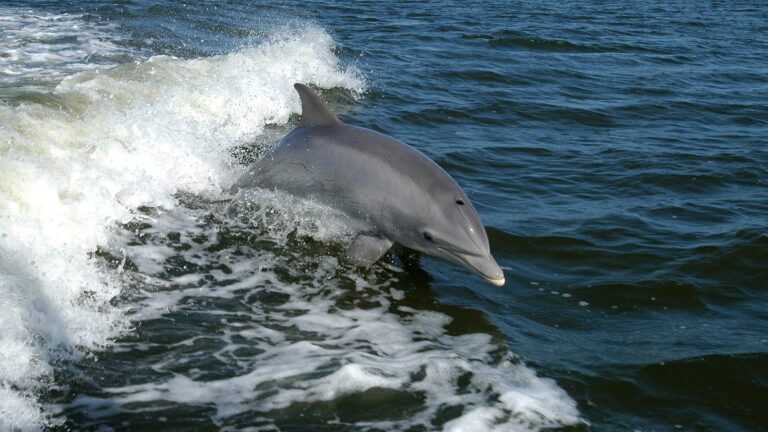
A walker spotted dolphins surfacing in the Hudson off Brookfield Place. The reason traces to a small forage fish and years of fisheries policy that let New York Harbor heal.
In the late 1970s only about 300 numbats survived in the wild. After decades of predator control and careful breeding, there are now as many as 3,000.
Chile’s food warning labels helped make young kids less likely to be overweight within 18 months, a new Lancet study finds. Early proof the policy works.
In June, more of the EU’s electricity came from the sun than from any reactor, gas plant, wind farm, dam or coal station, and for the first time it added up to a full quarter.
Health teams went looking for the world’s leading infectious cause of blindness in El Salvador’s most at-risk towns and found none, earning the country a WHO first for Central America.
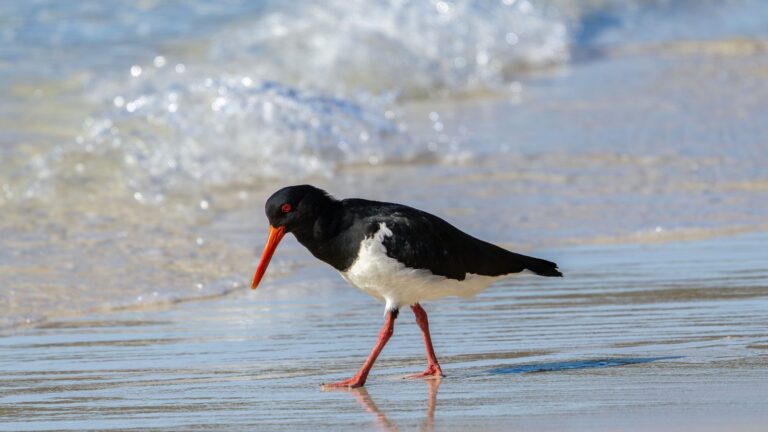
Along the Atlantic and Gulf coasts, a coalition of 35 groups in 16 states has helped a football-size shorebird grow its numbers by 45% since 2008, one banded chick at a time.
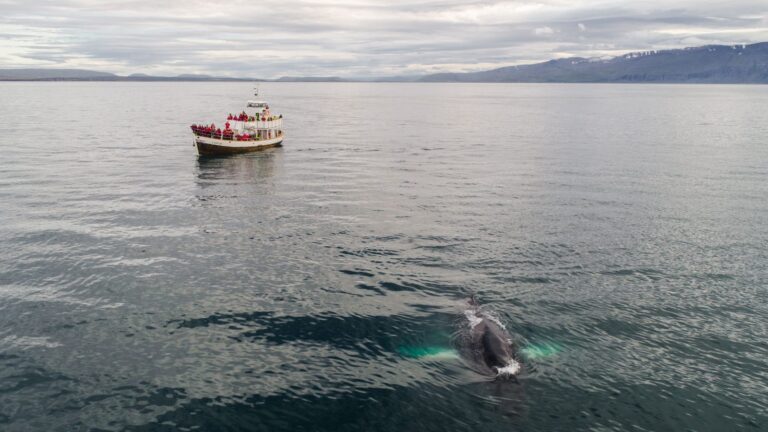
Whale-watching boats now run regular trips out of Queens. Here’s how New York Harbor’s cleanup, and a law protecting one small baitfish, brought humpback whales back within sight of the skyline.
A decade ago, Grenoble tore down hundreds of billboards and planted trees instead. Two mayors and two elections later, nobody has tried to bring them back.
Scientists who have spent their careers around whales are hard to astonish. Then the research vessel Allankay came into the waters off the South Orkney…