You Can Now Watch a Whale Feed With the Manhattan Skyline Behind It
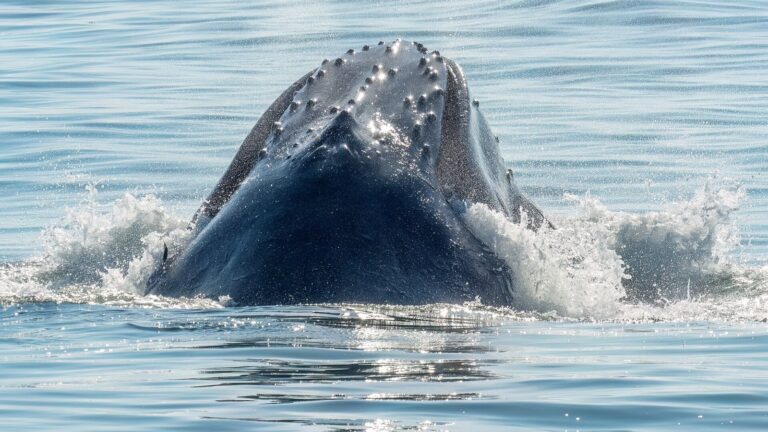
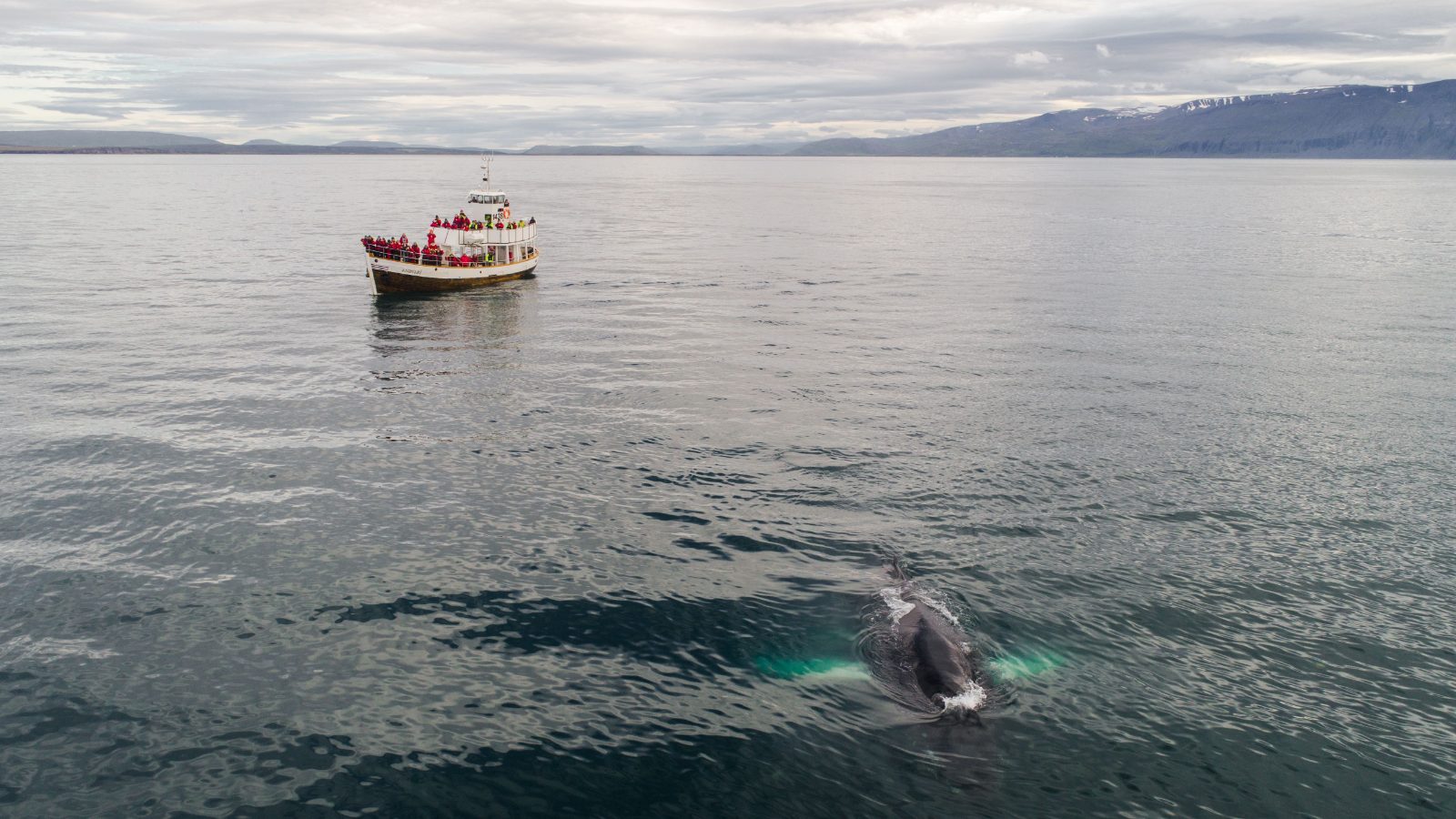
Whale-watching boats now run regular summer trips out of Riis Landing in Queens, close enough to shore that a two-hour tour barely loses sight of land. Passengers watch a 40-ton humpback whale lunge through a school of baitfish with the skyline in the background. A thread in r/nyc collecting sightings this week put it simply: this used to be a Cape Cod thing, not a New York thing.
Fifteen years ago, it wasn’t happening here at all. New York Harbor spent decades as one of the most polluted stretches of water on the East Coast, and the fish whales eat did not have much of a food chain left to swim in. The Clean Water Act, passed in 1972, started the cleanup. It took another few decades, and one more fight, to finish the job.
That fight was over Atlantic menhaden, an oily, unglamorous baitfish that local anglers call bunker. Whales, dolphins, and seabirds all depend on it. For years, commercial boats scooped up menhaden faster than the population could recover, using a large-net method called purse seining. In 2019, New York banned the practice statewide. The following year, the regional body that manages East Coast fisheries adopted new rules that weigh how many menhaden whales and other predators need left in the water, not only how many boats can legally catch.
“Watching humpback whales routinely feeding within sight of the NYC skyline wasn’t on the top of my prediction list,” says Carl LoBue, New York oceans director at The Nature Conservancy, whose team pushed for the 2019 law. He and others had expected the menhaden to come back. The whales arriving close enough to watch from a beach chair was the surprise.
More menhaden brought more whales back into water that also happens to be the busiest seaport on the Atlantic coast. Vessel strikes are now the leading cause of death for the whales the cleanup helped bring back, so The Nature Conservancy built a free course teaching boaters how to spot whale behavior and steer clear of it, on top of the decades of harbor cleanup that got the whales here.
Commenters on the original thread pointed to the other half of the credit: the wastewater treatment workers at the city’s Department of Environmental Protection, whose unglamorous daily work treating the water is the reason there’s a food chain left to rebuild. It happened because the water got cleaner, the fish came back, and the whales followed the food, the same way they always have.treatment workers at the city’s Department of Environmental Protection, whose unglamorous daily work treating the water is the reason there’s a food chain left to rebuild. It happened because the water got cleaner, the fish came back, and the whales followed the food, the same way they always have.