A Small Fish Nobody Notices Is Why Dolphins Are Back in the Hudson
Someone out for a walk near Brookfield Place looked at the Hudson and saw dolphins.
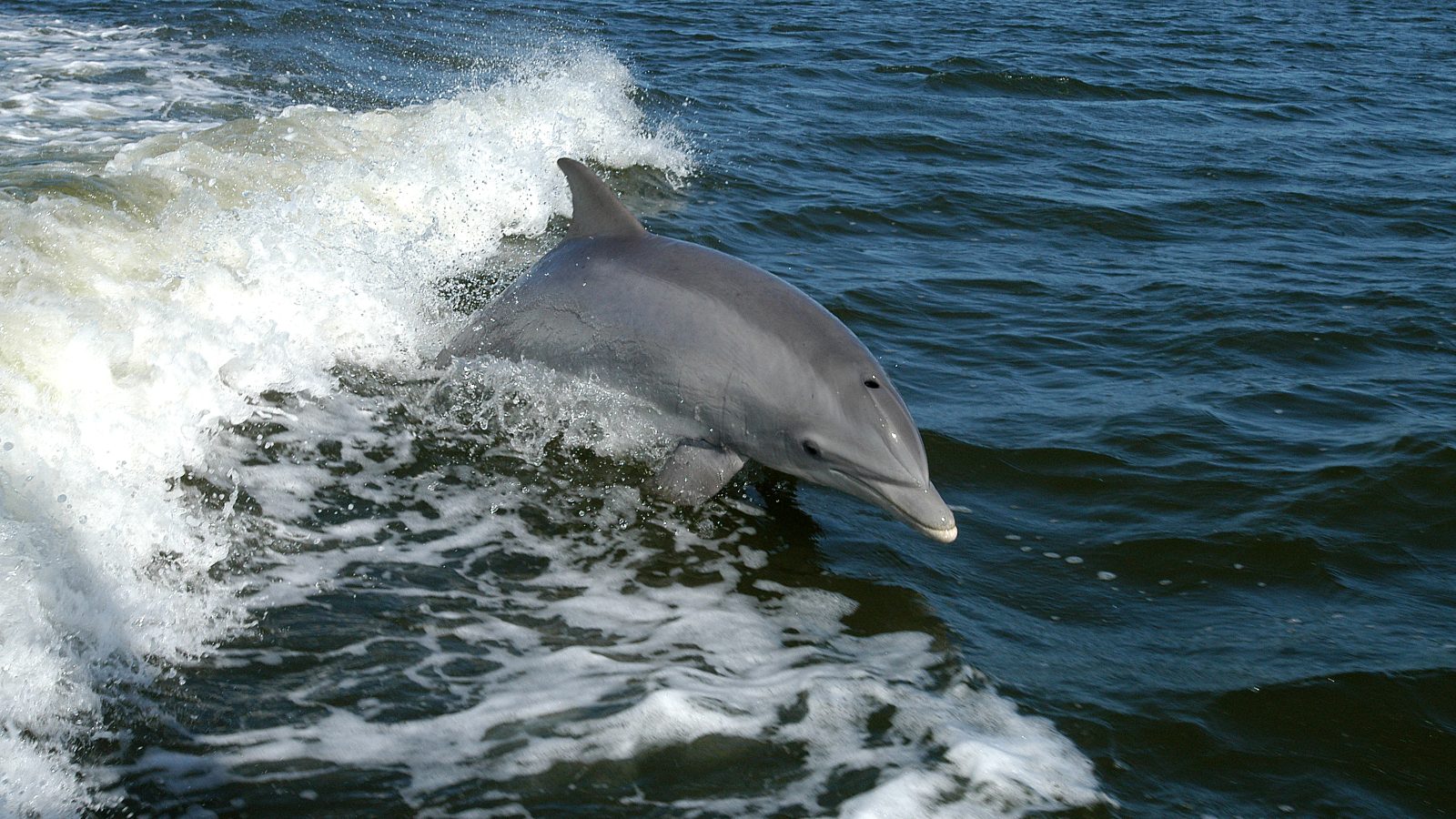
It was an ordinary walk on the Lower Manhattan waterfront, a length of railing between office towers and the river, and a few dorsal fins breaking the surface. A Reddit user going by Glew26 posted to r/nyc that they watched at least a couple of dolphins surface several times. They hadn’t gone looking for it. They just happened to be there, and shared it because who expects dolphins on a walk in Manhattan.
This wasn’t always possible. For decades dolphins had all but vanished from the harbor, pushed out by the kind of pollution that made the water hostile to the fish they eat. Their return is recent, and it rides on something small and easy to overlook.
That something is a fish called menhaden.
Menhaden go by a lot of names: bunker, pogy, mossbunker. They are oily, silvery, and unremarkable to look at, and they travel in enormous schools. People who study them call them “the most important fish in the sea,” because so much of the ocean’s food web runs through them. Striped bass, bluefish, tuna, ospreys, seabirds, dolphins, whales: they all eat menhaden. The menhaden themselves eat almost nothing you can see, filtering tiny plants and specks out of the water. Carl LoBue, who directs oceans and fisheries work in New York for The Nature Conservancy, describes what they do as turning sunlight into whales.
For a long time nobody managed that fish. The Atlantic menhaden fishery ran essentially unregulated until 2012, when the population had dropped far enough that the first coastwide catch limits were set. The number started climbing again. Then, in August 2020, the interstate commission that oversees the fishery took a bigger step and voted, unanimously, to set catch limits around how many menhaden the predators need, not only how many boats can haul in. It was the first time the rules accounted for the animals doing the eating.
“If you want to have big fish, you need little fish for them to eat,” LoBue put it.
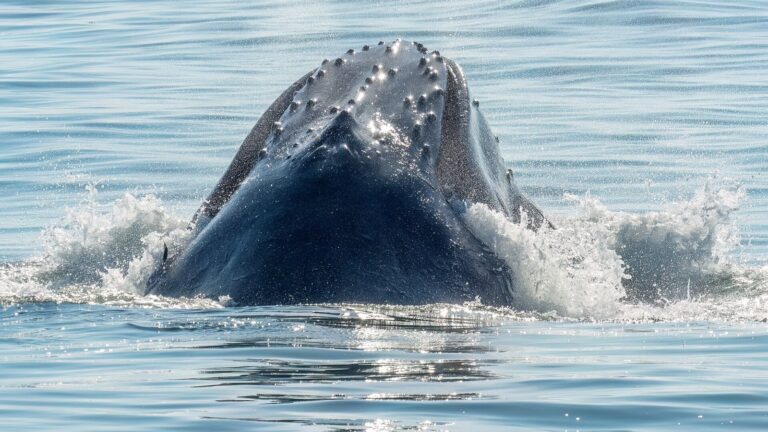
You can watch the result from a beach now. With the menhaden back, whales have returned to New York Harbor, dolphins chasing bait along the New York and New Jersey shore has become almost ordinary, and New York has grown several thriving whale-watching businesses where, not long ago, there was nothing to watch.
Which brings it back to the railing at Brookfield Place. The way the poster saw it, the harbor is about the cleanest it has been in a century, and a sighting like this “feels less like a fluke and more like a sign the cleanup is actually working.”
No single afternoon proves that. But the dolphins off the plaza sit at the visible end of a long chain: cleaner water, a returning fish, and years of unglamorous argument over how many menhaden to leave in the sea. Those limits came out of years of fishery-management meetings, and the clean water came from a longer effort to clean up the harbor.
The payoff is something you can point at from a downtown pier.