She Rowed to Hawaii Alone, and Beat the Men’s Record Getting There
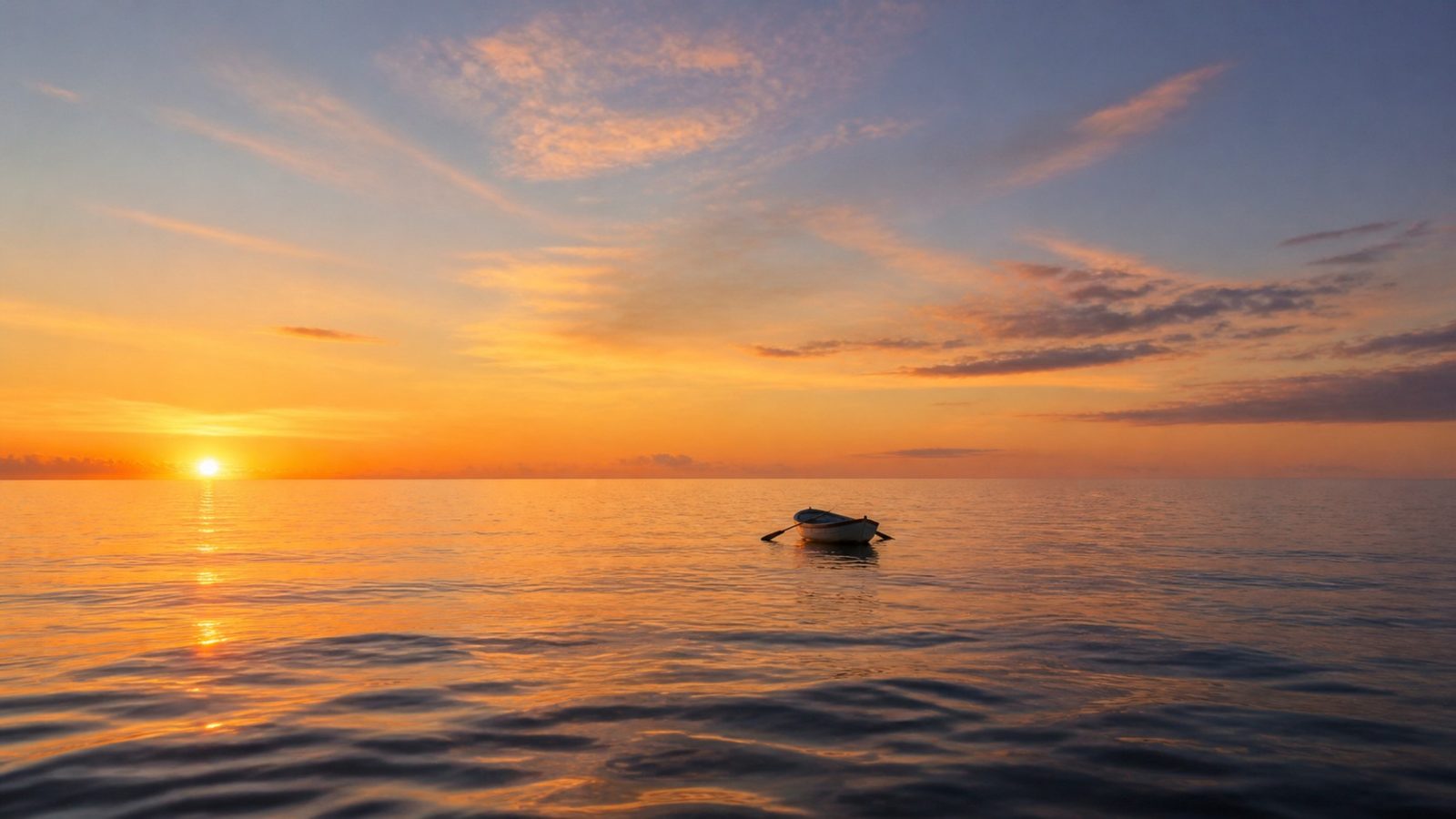
The math on this is hard to hold in your head, so take it slowly. Kelsey Pfendler got into a 21-foot rowboat on the coast of California, pointed it at Hawaii, and rowed there. By herself. It took 43 days and roughly 2,400 miles of open Pacific, and when she pulled into Ala Wai Boat Harbor in Honolulu after nine at night, more than a hundred people were on the dock waiting for her.
She is now the first American woman to make that crossing alone. She is also the fastest person to ever do it, of any gender, and the youngest woman to pull it off. Not the fastest woman. The fastest anyone. The story was reported by Good News Network.
The records she left in her wake
The women’s record before her belonged to Lia Ditton, who had done it in 86 days, 10 hours, and 5 minutes. Pfendler did not shave a little off that. She cut it roughly in half. And then, for good measure, she went past the men’s record too, which stood at 52 days. When the Ocean Rowing Society International updates its books, hers is the name at the top of the column, with everyone else, male and female, listed below.
The strangest detail is how close she came to beating a whole crew. In 2024 she rowed from Monterey to Hawaii as part of a four-woman team. This time, alone, with one set of arms instead of eight, she finished within three days of that crew’s pace. One rower came within seventy-two hours of what four rowers had managed together.
Forty-three days is a long time to be the only person on Earth you can see
The résumé helps explain the arms. Pfendler spent eight years guiding rafts through the Grand Canyon, which is not a hobby so much as a decade of pulling on oars in fast water for a living. But nothing quite prepares a body, or a mind, for over a month alone in the eastern Pacific.
Her video diaries from the boat are honest about both halves of it. There were the harrowing days: rough seas, currents that pushed back, the ordinary work of not getting sunburned and cooking a meal on a pitching deck. And there was something most of us would find harder to admit. She loves it out there. On day 37, with land only 500 miles off, she filmed herself already mourning the row before it had even ended, sad that the thing she had trained for and dreaded and lived inside was almost over.
She did not do it purely for the record. The row was also a fundraiser, and she pulled in $30,000 for a charity that looks after the physical and mental health of the river guides she came up with on the Colorado. The people who spend their lives keeping others safe on the water, she rowed an ocean to help.
What she wanted out of it
The country happened to be celebrating its 250th birthday the week she landed, and Pfendler was celebrating her own not long after, having timed the arrival close to it. But when she talked about what she hoped the whole enormous effort might mean, she did not reach for the flag or the record book. She reached for something smaller and, in the end, bigger.
“If any part of this made at least one person feel a little bit more powerful in their own skin,” she said in a video from day 43 of the row, “I couldn’t ask for anything else and I’m happy.”
That is the thing to hold onto, more than the miles or the days or the two records. A person can look at the open ocean, decide she is going to cross it with her own two arms, and do it, largely so that someone watching from a couch might believe a little more in what their own arms can do. The boat was named Lily. It is a very small boat. It just crossed the largest ocean on the planet with one determined person inside it, and that is a fact worth carrying around for a while.