Britain’s First Hospital Where the Patients Are Houseplants
In Edinburgh, there is a place where you can carry in a drooping fern, explain what has gone wrong, and hand it over to someone whose job is to figure out how to fix it. It is called the Hilda Houseplant Hospital, and it is billed as Britain’s first houseplant hospital. Rosanna Costello runs it, and she treats the plants like patients.
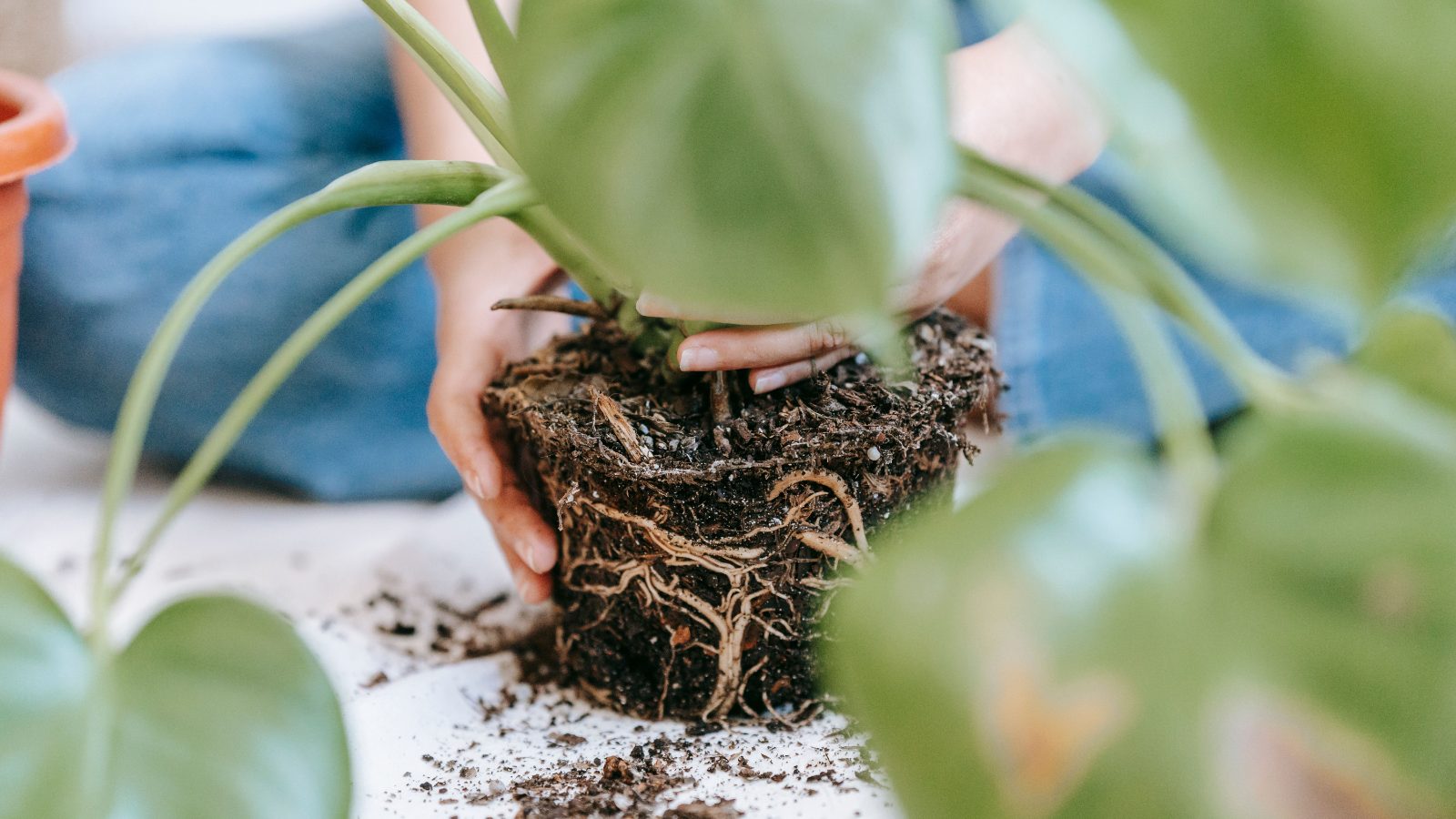
A visit works a little like a trip to the doctor. An owner arrives with an ailing plant and describes the trouble, and Costello takes what she calls a “patient history,” listening for the clues that explain why a healthy thing started to fail. Anything with pests is isolated first, quarantined before it can spread. Then the actual care begins, some mix of fresh soil, pruning, feeding and a good clean, chosen around what that particular plant needs and how much space its owner can give it to grow.
That last piece, the owner’s space, shapes a lot of her advice. Her aim is a plant that fits the home it lives in and the person looking after it. “I’m a big believer that it’s your houseplant, it lives in your home, it has to work for you,” she says.
The idea came from her own experience as a beginner. When she first got into houseplants, what she wanted was expert help with a struggling plant, the kind of specialist advice that was not on offer anywhere. So years later she built the thing she had been missing. “I’d had this idea from when I first got into houseplants, because that was what I had wanted,” she says.
Her most frequent patient is the monstera, the big tropical with the split, glossy leaves. It grows fast and gets unwieldy, sprawling in every direction until it takes over a corner of the room. Her usual prescription is a moss pole, which coaxes the plant to climb upward instead of spreading out, along with a careful cleaning of those broad leaves so they can breathe and catch the light.
She traces the whole business back to two shifts in how people live. One is the pandemic, when a houseplant was, for many people, one of the few living things left in their daily care, something to check on and keep alive. The other is city living. A lot of her patients belong to people in small flats, where there is barely space for the messier, muddier side of plant care, the kind of tending that wants a bit of room and a mess you can hose down afterward. A hospital solves that. You drop the plant off, and the awkward part happens somewhere else.
Her favorite part comes when the owners come back. Handing over a plant that has pulled through, she watches the worry go out of their faces, the relief of someone who had braced to lose something and then did not. That moment, she says, is most of why the place exists.