Ten Years and One Carcass at a Time: How Cambodia Coaxed a Lost Vulture Home
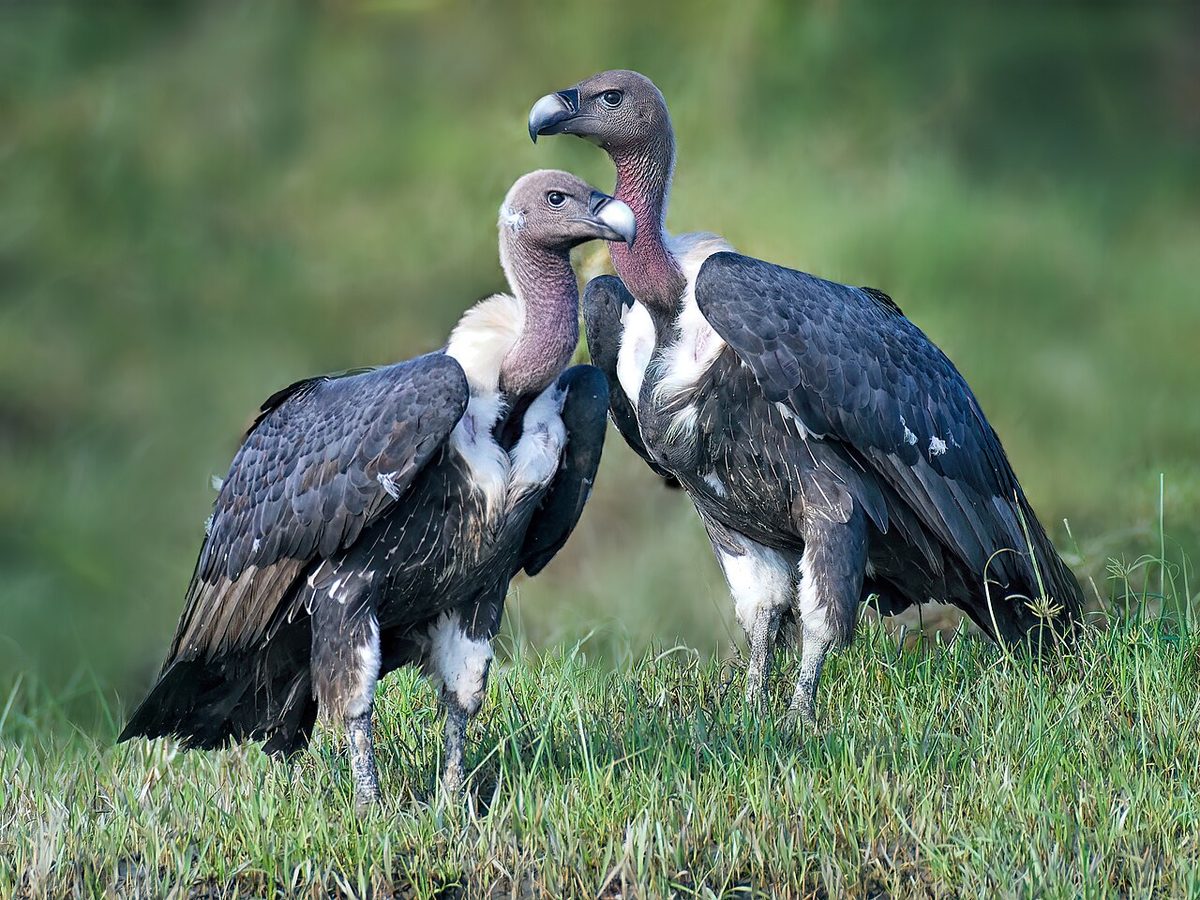
At a feeding station inside Lomphat Wildlife Sanctuary in eastern Cambodia, a single white-rumped vulture turned up this month, the first of its kind recorded there in ten years.
The team fondly calls the site a “vulture restaurant.” Once a month they lay out a large carcass, at a cost of around $600, so the area’s vultures have a dependable meal through the stretches when carrion is hard to find. The point is to make the sanctuary a place the birds can count on, and after ten years, a critically endangered white-rumped vulture was recorded back among them.
The skies over the sanctuary did not empty by accident. A poisoning event had gutted the local population. Vultures eat only the dead, which is exactly what makes them so easy to lose in a single stroke. One carcass laced with poison, whether the source is lead shot or an agricultural chemical, can kill many at once, because the birds arrive together and share the same meal. Lose a few carcasses that way and a region can lose most of its vultures.
That same biology works in their favor, and ours. A flock of vultures can reduce a carcass to bone in hours, well before decay and scavenging microbes would get to it. That speed stops disease from spreading out of the dead animal and cycles nutrients back into the ground far quicker. It is a thankless job, done for free, that keeps a whole landscape healthier.
NatureLife Cambodia runs the feeding program as a partner of the country’s Ministry of Environment, and its work goes well beyond setting the table. Bringing the poisoning down has taken public-awareness work, a protected food source for the birds, and years of patient effort on the ground. The numbers suggest it is landing. “The number of incidents has dropped significantly, from more than 30 cases a year in the past to around one to three cases annually,” said Bou Vorsak, who leads NatureLife Cambodia.
Getting from thirty poisonings a year to two or three is the kind of progress that does not photograph well and rarely makes the news. It is measured in things that did not happen: birds that were not killed, carcasses that were not laced. The returning vulture is what that patient arithmetic looks like when it finally becomes visible.
The same survey that recorded the white-rumped vulture also turned up five red-headed vultures, another critically endangered species, at the sanctuary. These are not abundant animals anywhere. Cambodia’s most recent countrywide count, in 2025, tallied just 163 vultures of all species nationwide, which puts the weight of that one returning bird into perspective. Every individual is a meaningful fraction of what remains.
Bou Vorsak read the moment as confirmation that the approach works. “The return of the White-rumped Vulture shows that our conservation efforts are making a difference by improving habitat conditions and ensuring a reliable food source,” he said, as reported by Cambodianess.
The method here was almost plain. Nobody coaxed the bird back with anything clever. They made a place where it was safe to eat, kept it safe, and waited. The vulture, following its old pull toward a reliable carcass, did the rest.
One bird does not make a recovery. What it marks is the first return in ten years, a sign that the conditions for one might be back in place. For a species that can vanish from a landscape in a single poisoned meal, it matters that it can also return to a single trustworthy one.
Image: Mahmudul Bari, CC BY-SA 4.0, via Wikimedia Commons.