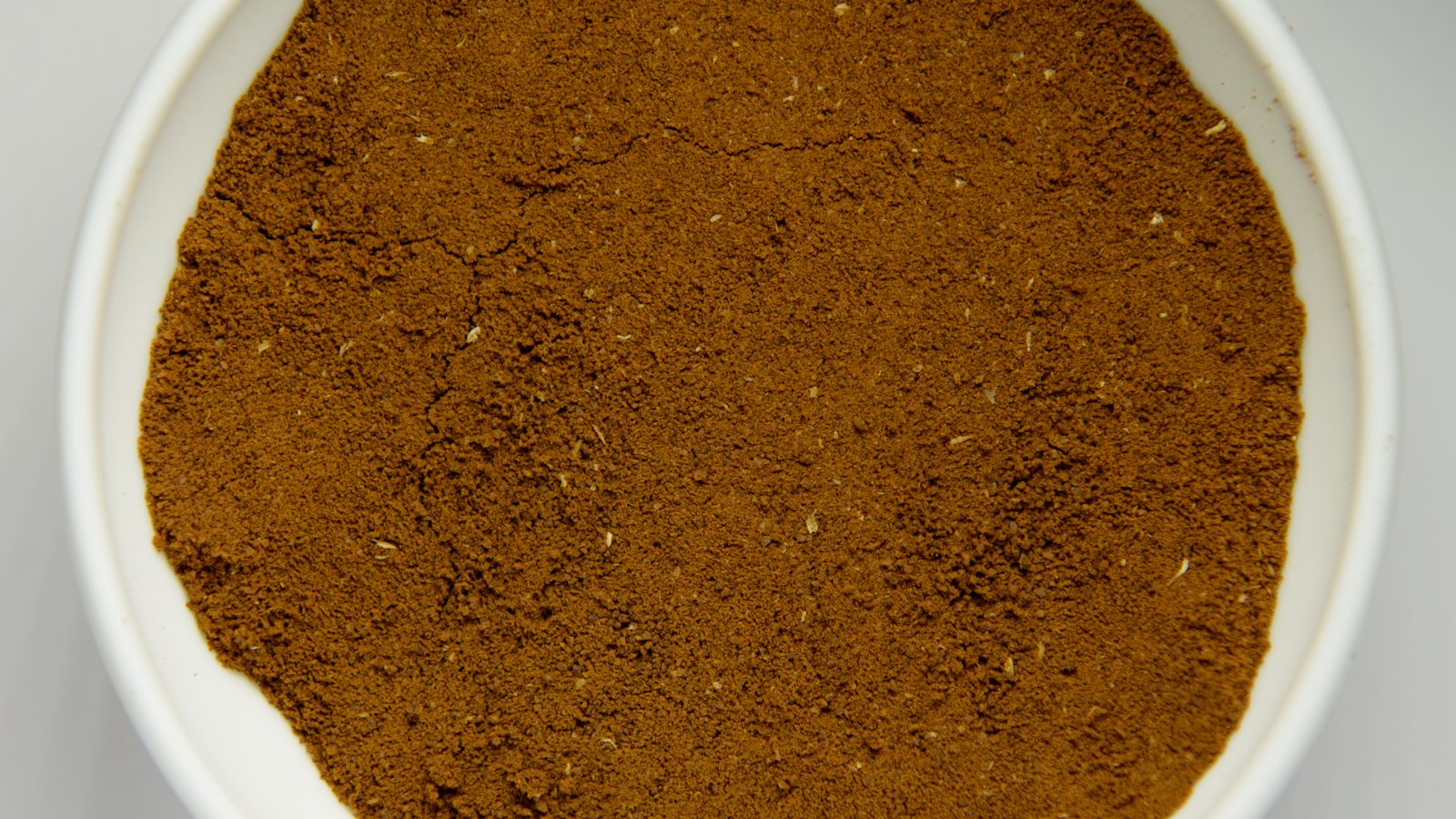
The Popcorn Effect: How Wet Coffee Waste Becomes Coal-Grade Fuel in 90 Seconds
The world drinks a staggering amount of coffee, and every cup leaves something behind: a small, sodden clump of spent grounds. Multiply that by billions of cups and you get a real disposal headache, because wet organic waste is heavy, it rots, and it resists most attempts to turn it into anything useful. Researchers in South Korea have found a way to turn spent coffee grounds into a fuel that rivals coal, and they do it in about 90 seconds.
The team, at the Korea Institute of Geoscience and Mineral Resources, built a system they call Flame Plasma Pyrolysis, detailed in a study in the Chemical Engineering Journal. It takes the grounds exactly as they come, still wet, and skips the step that usually makes wet waste so expensive to process.
Making the water do the work
In most waste-to-energy methods, the moisture in something like coffee grounds is dead weight. It has to be cooked off first, which costs time, energy, and money before anything useful can begin. This process turns that around and puts the water to work.
The system aims plasma flames, made by burning liquefied petroleum gas with compressed air, at temperatures between roughly 1,470 and 1,650 degrees Fahrenheit. At that heat, the water trapped inside each particle of coffee flashes to steam so fast that pressure builds and the particles burst apart. The researchers call it the “popcorn effect.” Those tiny explosions crack open the structure of the waste, which lets it carbonize far faster than dry processing would allow. Start to finish, a full conversion takes a minute and a half.
A fuel that rivals coal, minus the sulfur
What comes out is biochar, a dense, carbon-rich solid. Its energy content measures 29.0 megajoules per kilogram, about a third more than untreated coffee grounds and on par with anthracite, one of the hardest, highest-grade coals. The share of fixed carbon in the material nearly tripled, climbing from 15.6 to 46.2 percent.
Then there is what the process removes. It strips the sulfur out completely, so burning this fuel does not throw off the sulfur dioxide that comes with coal. And because the flames leave the material full of microscopic pores, the biochar is useful for more than heat: the same porous carbon can go into water filters, industrial air scrubbers, and activated-carbon products.
Speed is the other advantage, and it is not small. Other ways of turning wet biomass into fuel take a while, from half an hour for one method to as long as six hours for another. Ninety seconds changes what is practical, and because the heat comes from burning gas rather than from power-hungry electrical equipment, the energy bill stays lower too. The process also gives off very little smoke or tar.
Coffee is only the test case
The grounds were the proof of concept, chosen because they are so stubbornly wet. The same trait, high moisture, is exactly what has made other waste streams hard to recover: food scraps, sewage sludge, the leftovers of farming. The KIGAM team believes the method should work on all of them, and plans to test more waste types as it works toward a commercial-scale system.
That is the shift the lead researcher, Dr. Taejun Park, keeps coming back to. The wet, rotting material a city pays to haul away is not a problem to be gotten rid of, in his view. It is a source of energy and useful carbon, waiting for a fast enough way to unlock it.