Pakistan Now Powers a Fifth of the Country From Household Rooftops
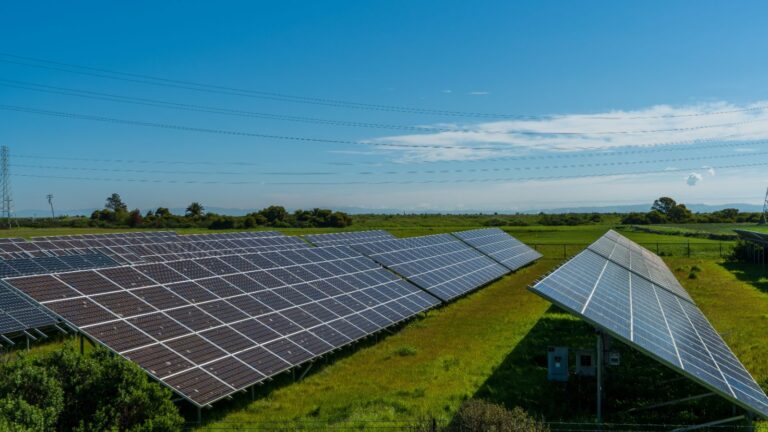
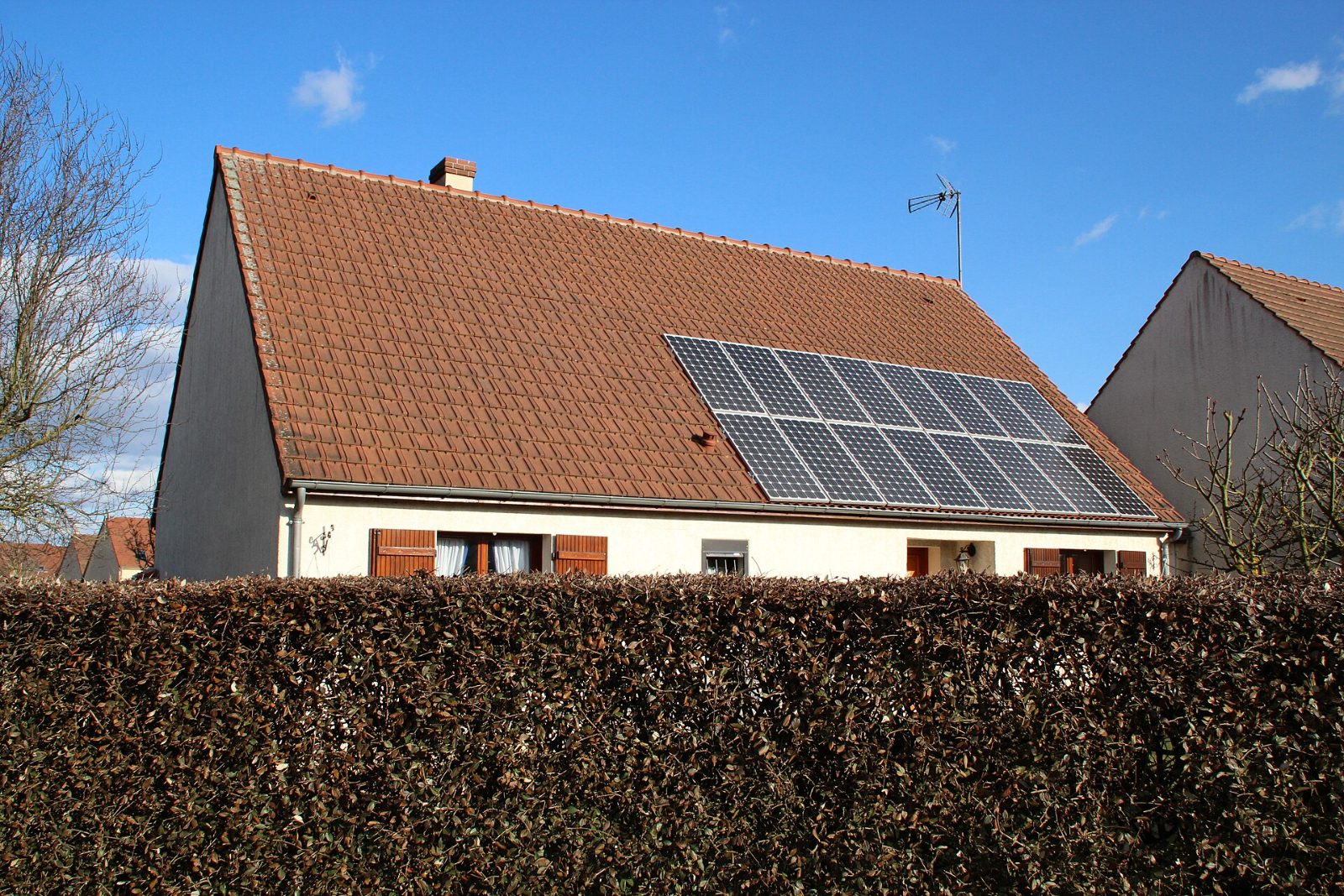
An unusual revolution happened on the rooftops of Pakistan over the past few years. One house at a time, families bolted panels above their bedrooms and their shops, and the totals added up. All without national plan set targets or subsidies. Private rooftop solar now generates roughly a fifth of Pakistan’s electricity, the kind of share that would ordinarily take a fleet of power stations and a decade of central planning to reach for a large, populous country. Here it came from millions of separate decisions, each made at a kitchen table.
The math behind those decisions was personal before it was national. After Russia’s invasion of Ukraine upended the global market for natural gas, many Pakistanis found themselves paying high bills for power that arrived unreliably, cutting out when they needed it most. At the same time, the price of a solar panel had been falling for a decade, pushed down in large part by China’s mass production next door, until a panel crossed a line most people recognize instantly. It became something an ordinary household could simply buy.
An analyst at the Pakistani think tank Renewables First described the calculation to the Guardian, which reviewed the data behind the boom: “People who could afford to do it at that time realized that it was much cheaper and cost-effective and better for them in the long run to do a one-time investment in rooftop solar as opposed to keep paying high electricity bills from a grid that is also unreliable.”
Buy once, pay less later, stop depending on a grid that lets you down. Repeated across enough homes and small businesses, that single reasonable choice reshaped how a whole country keeps its lights on.
Pakistan spends something like a tenth of its entire economic output importing fossil fuels, so every unit of power drawn from a rooftop instead of a fuel shipment shows up on the ledger. By February 2026, generating its own power from sunlight had let the country skip roughly $12 billion in oil and gas imports. Demand for imported gas dropped so sharply that Pakistan’s standing deal with Qatar for liquefied natural gas outran its needs, and cargoes it had contracted for were resold elsewhere.
Then came a test. After years of adding panels, Pakistan watched a US strike on Iran push the price of oil above $100 a barrel and choke off gas shipments. For a country that imports so much of its energy, that is the sort of shock that usually means darker homes and steeper bills. This time a fifth of the electricity was already coming off local roofs, beyond the reach of tanker routes and spot prices, and the rooftop solar cushioned the blow.
The panels were bought for private reasons, one household at a time, in response to yesterday’s high bills. They ended up working as national insurance against tomorrow’s price spike, with no one designing them to.
Haneea Isaad, an energy-finance specialist at the Institute for Energy Economics and Financial Analysis, called the wave “a blessing for Pakistan,” and put the wider lesson plainly: “Pakistan serves as a great case study as to how renewables can provide a hedge against dependence on fossil fuels.”
The reporting, carried by Good News Network, traces a pattern that is easy to miss when it is spread across so many roofs. A hedge against volatile fuel markets is the kind of thing you expect a government to build on purpose. In Pakistan it grew from the ground up, panel by panel, because for millions of families the sun was the cheaper and steadier option, and they took it.