Regenerative Farming Is Helping Uganda’s Coffee Farmers to Beat Drought
The hills around Masaka, in central Uganda, grow robusta coffee the way they long have, in small family plots that live and die by the weather. Lately the rains have turned unreliable. They show up late, or barely show up at all, or come down hard enough to strip nutrients from the slopes and drag topsoil downhill. For a crop that leans on steady weather and healthy ground, that is a slow kind of trouble.
Nakalisa Mary Fatuma, a smallholder who grows robusta in Masaka, names it plainly. “Too little or untimely rains have become serious threats to coffee production,” she says.
The answer taking hold across the region starts underfoot. Rather than fight the weather, farmers are rebuilding the thing that buffers them from it. The soil.
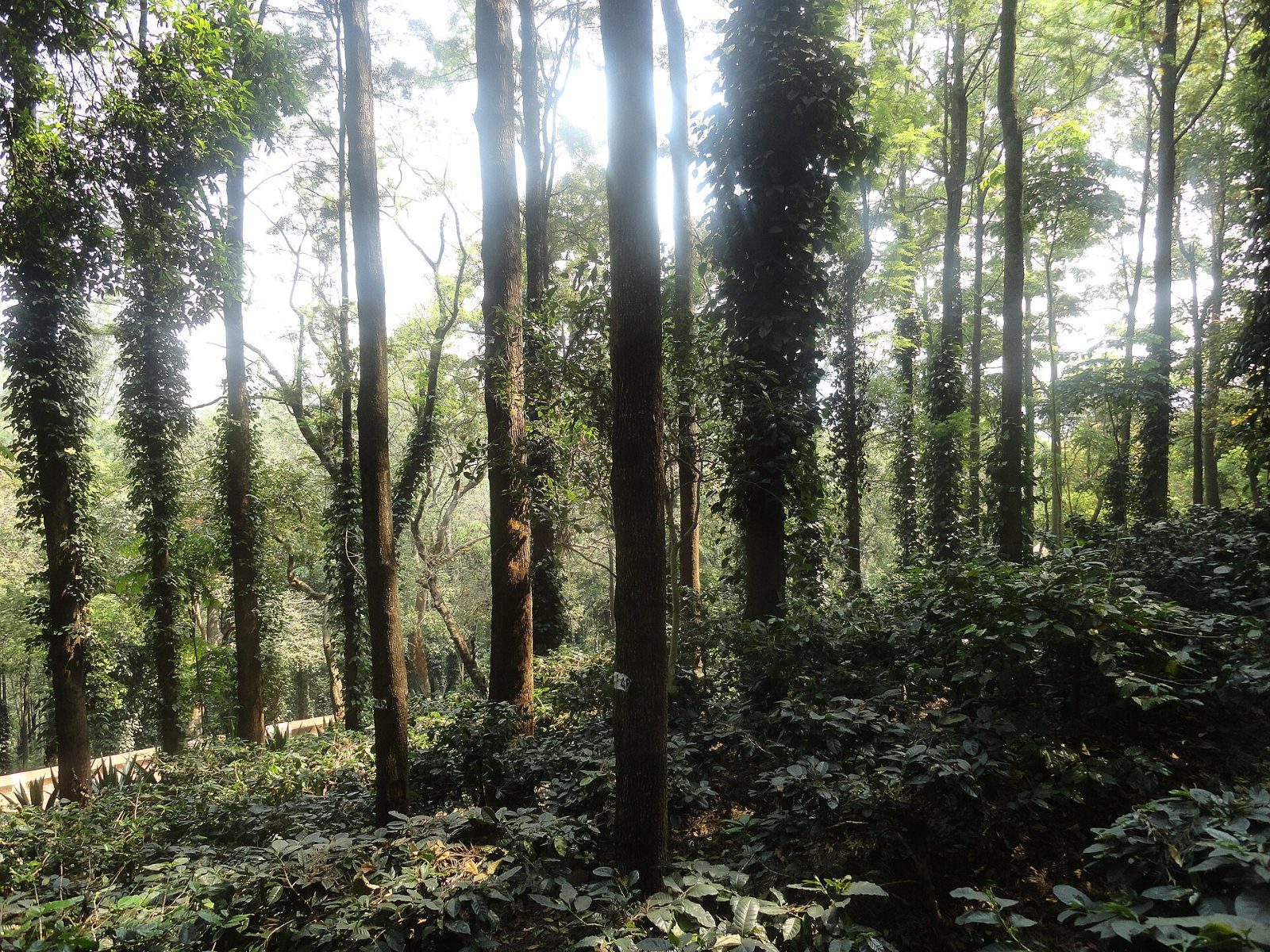
The approach goes by regenerative agriculture, and on a Masaka coffee farm it is concrete. Growers spread mulch to cover bare ground and hold moisture. They intercrop, tucking other plants among the coffee so roots knit the earth together. They plant shade trees whose canopy softens the sun and whose fallen leaves feed the ground. They rejuvenate tired plants and manage pests and soil fertility as one connected system instead of a run of emergencies. Each practice does a modest job on its own. Stacked together, they build the earth back up so it holds water when rain is scarce, stays in place when rain is heavy, and shelters the microbes that keep a coffee plant fed.
Learning by doing
The catch with soil is that you cannot lecture your way to trusting it. You have to watch it work. So the practices arrived through demonstration.
Kyagalanyi Coffee Limited, a Ugandan coffee company, established more than 30 “model farms” across the region. These are working plots that double as training centers, where growers pick up the methods by doing them, then carry what they learn back to their own land. The idea is simple: see it hold on someone else’s slope, then repeat it on yours.
Munanira Joseph described how it spread among his neighbors. “We used to think erosion was just something we had to live with. But when we saw how the soil stayed in place on the demo plot, everyone wanted to try.”
Those model farms are the work of a coalition rather than any single company. Kyagalanyi built and runs them alongside the nonprofit TechnoServe, the coffee company Nespresso, and the International Union for Conservation of Nature, with backing from the Global Environment Facility and the Least Developed Countries Fund. The demonstration plots did the persuading that pamphlets could not.
What the ground is giving back
The scale is starting to add up. The programme has trained more than 2,100 farming households, each one leaving with methods it can put to work on ground it already knows.
For Fatuma, the change shows up first in the plants and then in everything downstream of them. “But since we applied mulches and planted drought resistant seedlings, the coffee farms are reliably resilient,” she says. “My coffee is stronger and more promising, and so is my family.”
That second half is the part that matters. On a Masaka hillside, the coffee crop is what pays the school fees and steadies a household through the year. When the soil holds, so does the family standing on it.
By the IUCN’s account, farmers are “reporting adaptation of regenerative practices, improved yields and quality, healthier trees, and better income stability.”
The rain around Masaka will keep breaking its old patterns. What the soil work changes is how much damage each bad season can do. A farm with deep, living ground absorbs a dry stretch far better than bare, eroded slopes can, and across Masaka’s coffee hills more farms have that ground under them than did a few years ago, put there by the people who decided to stop waiting on the weather.